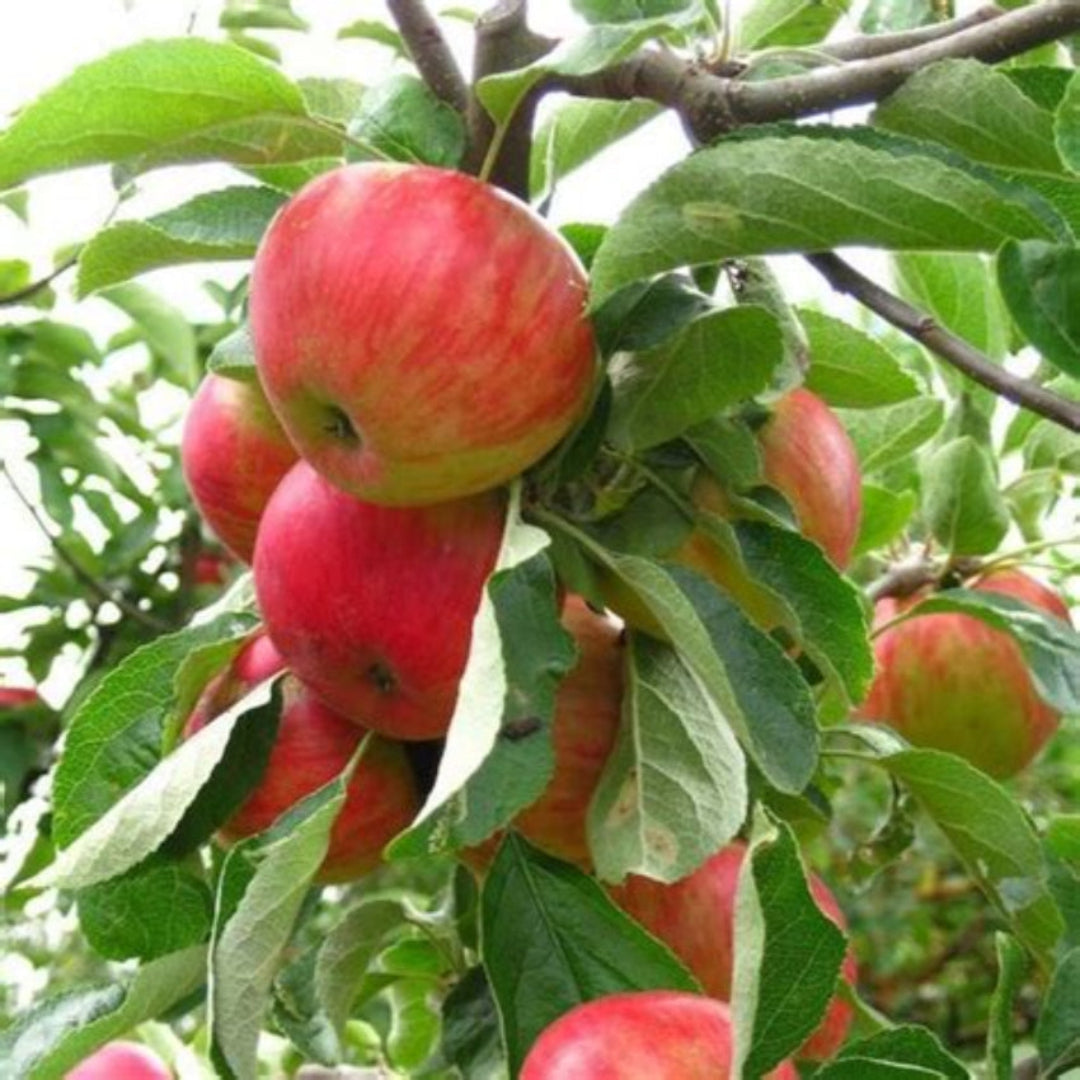
Blackberry Plant: Growing, Care, Pruning & Harvesting Tips

Did you know that homegrown blackberries often taste sweeter and juicier than the ones you buy in stores? Growing your own blackberry plant is not only rewarding but also a fun way to enjoy fresh fruit right from your garden. Whether you are a beginner gardener or an experienced green thumb, this guide will help you with everything you need from planting and caring for your blackberry fruit plant to pruning and harvesting healthy blackberries.
In this article, we will cover the best types of blackberry plants for sale, how to grow them successfully, and tips to ensure your blackberry fruit is healthy and plentiful.
Choosing the Right Blackberry Plant
Choosing the right blackberry plant is crucial for a thriving garden. Here are the main types:
Erect blackberries: These grow upright and need minimal support. Ideal for beginners.
Semi-erect blackberries: They can grow upright but benefit from some trellis support.
Trailing blackberries: Require full support and are perfect for vertical gardens or large spaces.
When selecting a plant, consider your climate and USDA zone, and choose a variety suited for your environment. For example, the Ponca Blackberry is highly productive and perfect for most U.S. gardens. For the best growing results, choose strong and well-maintained blackberry plants from a trusted online plant nursery in the USA.
Planting Blackberries
1. Best Time to Plant
The best time to plant blackberries is early spring while the soil is workable. This ensures strong root establishment before the summer heat.
2. Preparing the Soil
The blackberry fruit plant grows best in well-drained soil with a slightly acidic pH (5.5–6.5). Ensure the planting area receives at least 6–8 hours of direct sunlight each day for healthy growth and fruiting.
3. Spacing and Planting Technique
Dig a hole twice the size of the root ball.
Space plants about 3–4 feet apart for upright types and 5–6 feet for trailing varieties.
Water the plant well after planting to help it adapt and grow.
Caring for Blackberry Plants
Proper care ensures healthy growth and abundant blackberry fruit.
1. Watering Schedule
Water young blackberry plants every 2–3 days during the first month.
Established plants need deep watering once a week.
2. Fertilization Tips
Use organic fertilizers, such as compost or manure, to enrich the soil.
Synthetic fertilizers can also be applied in early spring, following the package instructions.
3. Mulching Benefits
Mulching helps retain moisture, suppresses weeds, and keeps roots cool. It is best to use straw, wood chips, or shredded leaves.
4. Pest and Disease Control
Common pests include aphids and spider mites, while diseases like rust and mildew can affect blackberry plants. Regular monitoring, pruning, and using natural insecticides can help.
Do's and Don'ts for Beginners:
Do: Check plants weekly for pests.
Do not: Avoid overwatering, as it can damage roots.
Pruning Blackberry Plants
Pruning is essential for a healthy blackberry fruit plant and better fruit production.
1. Why Pruning is Important
Pruning removes old stems, encourages new growth, and increases fruit yield.
Timing of Pruning:
After harvest: Cut fruiting stems.
Winter pruning: Remove weak or dead stems.
Summer pruning: Trim lateral growth to allow airflow.
2. Step-by-Step Pruning Guide
Identify old stems that have fruited.
Cut them at ground level.
Thin out crowded stems.
Train new stems along a trellis or support structure.
By following these steps, your plants will remain healthy and consistently produce blackberry fruit.
Harvesting Blackberries
Signs Blackberries Are Ready to Harvest
Ripe blackberries are dark, plump, and detach easily from the plant. It is best to avoid picking berries that are still red or firm.
How to Pick Without Damaging the Plant
Gently twist the blackberry fruit with your fingers to avoid breaking the stems. Using shallow containers helps prevent crushing.
Storing Fresh Blackberries
Store freshly picked berries in the refrigerator for up to 5 days. For long-term storage, freeze the berries in airtight containers.
Tips for Extending the Harvest Season
Plant early, mid, and late-season varieties together.
Regular pruning and care will encourage continuous fruiting.
Common Problems and Solutions
Even healthy blackberry plants face challenges. Here's how to tackle them:
Yellowing leaves: Often caused by nutrient deficiency; add compost or fertilizer.
Poor fruiting: May be due to inadequate sunlight or improper pruning.
Pests and diseases: Use natural remedies or horticultural oils.
Regular observation and timely action will keep your healthy blackberry plants thriving.
Conclusion
Growing blackberries is rewarding and fun. With proper planting, care, pruning, and harvesting, you can enjoy fresh, juicy blackberry fruit right at home. Start with Ponca Blackberry or select healthy blackberry plants from a reliable online nursery in the USA.
Enhance your garden today with house plants and blackberry plants from the best gardening store online or a plant nursery near me, and enjoy healthy, fresh fruit season after season!
About the author
Pixies Gardens is your go-to online nursery, offering a wide selection of high-quality plants, shrubs, and trees for every garden. With fast shipping, expert advice, and easy-care varieties, we make gardening simple and enjoyable. Bring beauty and life to your outdoor spaces with Pixies Gardens’ trusted plants.
Comments
Join the discussionNo comments yet. Be the first to comment.